
Omnichannel internet marketing approach is reshaping the landscape of digital interactions, creating a seamless experience for customers across various platforms. In today’s fast-paced digital era, businesses must embrace this strategy to meet the evolving expectations of consumers who navigate multiple channels during their purchasing journey.
This approach not only enhances customer engagement but also fosters brand loyalty by providing a unified experience that resonates with users. By integrating various communication methods and digital tools, companies can craft a holistic marketing strategy that addresses customer needs at every touchpoint.
Overview of Omnichannel Internet Marketing
In the rapidly evolving digital landscape, omnichannel internet marketing emerges as a critical approach for businesses seeking to create cohesive customer experiences. It integrates various marketing channels and touchpoints, ensuring that customers receive a uniform message and experience, whether they engage via social media, websites, or in-store interactions. The importance of this strategy cannot be overstated, as it addresses the complexities of consumer behavior in an increasingly interconnected world.Omnichannel marketing enhances customer experience by providing seamless transitions between channels.
Customers can engage with a brand on social media, browse products online, and make purchases in-store, all while receiving consistent communication and support. This method not only increases customer satisfaction but also fosters brand loyalty and encourages repeat business. As consumers expect tailored experiences and instant access to information, businesses that adopt an omnichannel strategy are better positioned to meet these demands.
Key Strategies for Implementing an Omnichannel Approach
Several essential strategies can help businesses successfully implement an omnichannel marketing approach. These strategies focus on creating a unified customer experience across all channels.One fundamental strategy involves integrating data collection and analysis across all platforms. By gathering insights from various customer interactions, businesses can better understand preferences and behaviors, enabling them to personalize communication effectively. A consistent data approach ensures that customers receive relevant offers and messages, regardless of the channel they use.Another critical strategy is to ensure consistent branding and messaging.
This means aligning visual elements, tone, and core messages across all platforms. When a customer encounters the brand, whether through an email, a social media post, or an in-store advertisement, they should see the same cohesive branding that reinforces recognition and trust.Additionally, businesses should focus on training their staff to deliver a consistent customer experience. Employees need to be aware of the omnichannel strategy and understand how to assist customers seamlessly, regardless of the channel they choose.
Providing comprehensive training ensures that everyone in the organization can contribute to a unified customer journey.Lastly, leveraging technology is crucial for a successful omnichannel strategy. Utilizing customer relationship management (CRM) tools and marketing automation systems can streamline processes and enhance personalization efforts. These technologies help track customer interactions across various touchpoints, making it easier to deliver tailored experiences.
“Omnichannel marketing is not just a strategy; it’s a holistic approach that puts the customer at the center of your business.”
Digital Tools and Techniques in Omnichannel Marketing
In the dynamic world of omnichannel marketing, leveraging various digital tools and techniques is essential for creating a seamless customer experience. This section delves into specific tools that enhance marketing strategies across multiple channels, emphasizing their impact on engagement, branding, and overall effectiveness.
Banner Advertising in Omnichannel Strategies
Banner advertising plays a significant role in omnichannel marketing by providing consistent visibility across platforms. These ads can be strategically placed on websites, social media, and email campaigns to reinforce brand messages and drive traffic to various channels.
- Brand Recognition: Consistent banner designs across multiple platforms help reinforce brand identity, making it easier for customers to recognize the brand regardless of where they encounter it.
- Targeting and Retargeting: Utilizing data from customer behavior allows marketers to target specific demographics and retarget users who have previously interacted with the brand, increasing conversion rates.
- Cross-Promotion: Banner ads can promote different products or services available on various channels, encouraging customers to explore the brand more comprehensively.
Integrating Internet and Blogging in Omnichannel Marketing
Blogging is an effective component of an omnichannel marketing strategy, providing valuable content that engages users and enhances brand authority. Integrating a blog into the overall marketing plan allows businesses to share insights, news, and tips that resonate with their target audience.
- Benefits: Quality blog content improves search engine rankings, driving organic traffic to the website and establishing the brand as a thought leader.
- Content Sharing: Engaging blog posts can be shared across various platforms, amplifying reach and encouraging audiences to interact with the brand in different environments.
- Customer Engagement: Allowing comments and feedback on blog posts fosters a community around the brand, enhancing customer loyalty and interaction.
Impact of Domain Names on Branding and Marketing
The choice of a domain name significantly impacts branding and marketing efforts in an omnichannel context. A well-chosen domain can enhance memorability, credibility, and discoverability.
- Brand Representation: A domain name should reflect the brand’s identity and core values, making it easier for customers to associate it with the products or services offered.
- Trust and Credibility: Professional and relevant domain names instill trust in consumers, as they are more likely to engage with brands that appear reputable.
- Considerations: Including relevant s in domain names can improve search engine rankings, facilitating easier navigation for customers searching for specific products or services.
Use of eBooks for Value and Engagement
eBooks serve as an excellent tool in omnichannel marketing by providing in-depth information that adds value to the customer experience. They can engage users across various platforms, driving interest and fostering deeper connections.
- Lead Generation: Offering free eBooks in exchange for email sign-ups can effectively generate leads and nurture potential customers through targeted email campaigns.
- Educational Content: eBooks provide comprehensive insights into a specific topic, positioning the brand as an authority and encouraging sharing across social media and blogs.
- Multi-Channel Distribution: eBooks can be promoted via websites, social media, email newsletters, and even partnered platforms, maximizing reach and engagement opportunities.
Effective Communication Channels in Omnichannel Marketing
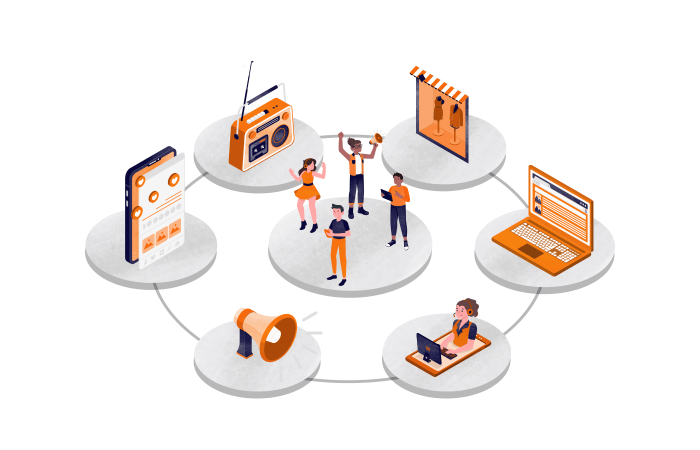
In today’s digital landscape, effective communication channels are pivotal for the success of an omnichannel marketing strategy. Engaging with customers through various platforms not only strengthens brand recognition but also enhances customer loyalty and satisfaction. By leveraging multiple communication avenues, businesses can create a seamless experience that resonates with their target audience.
Email Marketing Campaign Design
A comprehensive email marketing campaign plays a fundamental role in aligning with an omnichannel strategy. Email serves as a direct line of communication, allowing brands to deliver targeted messages based on customer preferences and behaviors. Here are essential components of a successful email marketing campaign:
- Segmentation: Dividing your email list into specific groups based on demographics, purchase history, and engagement levels ensures that messages are relevant to each recipient.
- Personalization: Tailoring content to individual customers, such as using their names or recommending products based on previous purchases, increases engagement rates.
- Consistent Branding: Maintaining a cohesive brand voice and visual identity across emails enhances recognition and builds trust.
- Responsive Design: Ensuring emails are optimized for various devices allows customers to interact with content seamlessly, regardless of their preferred platform.
- Clear CTA: Each email should include a clear call-to-action that guides recipients towards the next steps, such as visiting a website or making a purchase.
Role of Ezine Publishing
Ezine publishing serves as an effective method for maintaining consistent communication across various channels. By regularly distributing digital magazines or newsletters, brands can engage audiences with valuable content that establishes authority and fosters community. The key benefits include:
- Educational Content: Providing insights, tips, and industry news keeps subscribers informed and enhances their perception of the brand as a trusted resource.
- Cross-Promotion: Ezines can promote products or services featured in other marketing efforts, integrating messaging across platforms.
- Feedback Mechanism: Including sections for reader feedback encourages interaction and helps brands understand customer preferences and concerns.
- Brand Loyalty: Consistent publishing of quality content helps cultivate a loyal readership, resulting in increased customer retention.
Leveraging Internet Forums
Internet forums are powerful tools for engaging with customers and gathering feedback. Here are effective methods for harnessing these platforms:
- Active Participation: Brands should actively join conversations, answer questions, and provide valuable insights to establish themselves as industry experts.
- Creating Discussion Topics: Initiating discussions on relevant topics encourages community interaction and positions the brand as a thought leader.
- Feedback Collection: Using forums to solicit opinions on products or services allows businesses to gain firsthand insights into customer needs and preferences.
- Customer Support: Providing support through forums can enhance customer satisfaction by addressing issues promptly and publicly, demonstrating commitment to service.
Significance of Internet Marketing
Internet marketing encompasses various strategies essential for promoting products and services across diverse platforms. It enables brands to reach wider audiences and meet customers where they are. Notable aspects include:
- Broad Reach: Utilizing various online channels, such as social media, search engines, and email, allows brands to reach diverse demographics effectively.
- Targeted Advertising: Internet marketing employs sophisticated targeting techniques that allow brands to deliver specific messages to relevant audiences, maximizing conversion rates.
- Analytics and Insights: Marketing online provides access to data analytics, enabling businesses to measure the effectiveness of campaigns and refine strategies based on performance.
- Cost-Effective: Compared to traditional marketing methods, internet marketing often yields a higher return on investment due to its affordability and precise targeting capabilities.
Final Review
In conclusion, the omnichannel internet marketing approach stands as a vital component in modern marketing strategies, ensuring that brands remain relevant and responsive to customer preferences. By leveraging diverse channels and maintaining consistent communication, businesses can cultivate lasting relationships with their audience, ultimately driving growth and success in the digital marketplace.
FAQs
What is omnichannel marketing?
Omnichannel marketing is a strategy that provides customers with a seamless and integrated shopping experience across multiple channels, both online and offline.
How does omnichannel marketing improve customer engagement?
By ensuring consistent messaging and interactions across all platforms, omnichannel marketing enhances customer satisfaction and loyalty, leading to better engagement.
What tools can be used in an omnichannel marketing strategy?
Common tools include email marketing platforms, social media management software, analytics tools, and content management systems.
How can businesses measure the success of their omnichannel strategy?
Success can be measured through key performance indicators (KPIs) such as customer retention rates, sales growth, and engagement metrics across different channels.
Is omnichannel marketing suitable for all types of businesses?
Yes, businesses of all sizes and industries can benefit from an omnichannel approach, as it helps to reach customers more effectively and build stronger relationships.


