
Forum moderation best practices are essential for fostering healthy online communities. Effective moderation not only enhances user engagement but also builds trust among participants, creating a welcoming environment for discussion.
In this piece, we delve into the significance of proper moderation, the skills required to be an effective moderator, and the various tools that can streamline the process. By exploring these elements, we aim to equip you with the knowledge to create a vibrant forum where users feel valued and respected.
Importance of Forum Moderation
Effective forum moderation plays a critical role in the success and longevity of online communities. It not only preserves the quality of discussions but also fosters a welcoming environment where users feel valued and safe. In an age where online interactions can quickly escalate into negativity, having a strong moderation strategy becomes vital for maintaining community standards and encouraging positive engagement.The impact of poor moderation can be detrimental, leading to a decline in user engagement and a loss of trust within the community.
When discussions spiral out of control due to lack of oversight, users may become frustrated and disengaged, ultimately leading to decreased participation and reduced loyalty. This degradation can tarnish the community’s reputation, making it challenging to attract and retain new members.
Successful Forum Moderation Strategies
Implementing effective strategies for forum moderation can significantly enhance the user experience and community atmosphere. Here are key practices that have proven successful in maintaining healthy online interactions:
- Clear Community Guidelines: Establishing well-defined rules helps set the tone for discussions. Users are more likely to follow protocols when they understand the expectations laid out by the moderators.
- Active Moderation Team: Having a dedicated team that monitors discussions and intervenes when necessary ensures that issues are addressed promptly. This active presence discourages negative behavior and promotes constructive conversations.
- Encouraging User Feedback: Inviting community members to share their thoughts on moderation practices can lead to improvements and foster a sense of ownership among users. This collaborative approach can build trust and strengthen community bonds.
- Utilizing Automation Tools: Leveraging technology, such as automated moderation tools, can help manage large volumes of content and automatically flag inappropriate posts, allowing moderators to focus on more nuanced situations.
- Regular Training and Development: Continuous education for moderators on best practices, conflict resolution, and community engagement techniques ensures they remain effective in their roles. This ongoing development can adapt to the evolving dynamics of online interactions.
“An engaged community is the backbone of a thriving forum, and effective moderation is the key to achieving that engagement.”
These strategies not only enhance the user experience but also contribute to the longevity of the community by instilling trust and respect among its members. By prioritizing moderation efforts, forums can cultivate a positive environment that encourages meaningful discussions and collective growth.
Best Practices for Moderating Online Forums
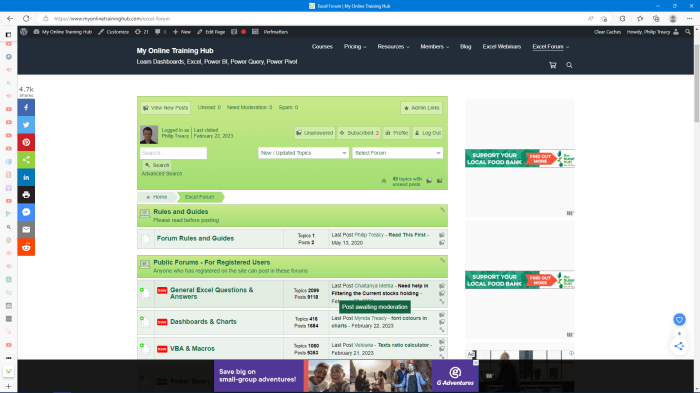
Effective moderation is crucial for maintaining a healthy and engaging online community. Moderators are the backbone of any forum, ensuring that discussions remain respectful, informative, and in line with the community’s guidelines. By fostering a positive environment, moderators can enhance user experience and encourage active participation.To be a successful forum moderator, certain skills and qualities are essential. These traits not only help in managing the forum effectively but also in building trust and rapport with the community members.
Essential Skills and Qualities of a Forum Moderator
Moderators should embody a mix of personal and professional qualities to ensure effective management of discussions. The following attributes are crucial for a successful forum moderator:
- Strong Communication Skills: Clear and concise communication helps in conveying messages effectively, especially when addressing community members.
- Impartiality: A moderator must remain neutral, treating all users equally to foster fairness.
- Conflict Resolution Abilities: The capability to mediate disputes and guide users towards resolution is vital for maintaining harmony.
- Patience: Moderators often deal with difficult situations, and patience is essential for handling conflicts and misunderstandings.
- Knowledge of Forum Rules: Familiarity with the forum’s guidelines enables moderators to enforce rules consistently.
- Empathy: Understanding community members’ perspectives helps in effectively responding to their concerns.
Establishing clear rules and guidelines for forum participants is key to promoting a respectful atmosphere. These guidelines lay the foundation for acceptable behavior and help in avoiding misunderstandings.
Rules and Guidelines for Forum Participants
Creating a set of rules not only informs users of expected behavior but also aids moderators in enforcing these standards. The following guidelines are essential for all forum participants:
- Respect all users, regardless of differing opinions.
- Refrain from using offensive language or personal attacks.
- Stay on topic and post relevant content to the discussion.
- Avoid spamming or posting irrelevant links.
- Report inappropriate content instead of engaging with it directly.
- Respect the privacy of others and refrain from sharing personal information without consent.
Conflicts can arise in any online community, and having a structured approach for resolving these issues is crucial. A clear procedure not only provides moderators with a framework but also instills confidence in users that their concerns will be addressed fairly.
Step-by-Step Procedure for Resolving Conflicts
Effective conflict resolution involves several steps to ensure that all parties are heard and respected. The following procedure Artikels the recommended steps for handling disputes:
- Identify the Issue: Gather information from all involved parties to understand the context and specifics of the conflict.
- Assess the Situation: Evaluate the severity of the issue and determine if it violates forum guidelines.
- Reach Out to Involved Parties: Contact each user privately to discuss the situation and gather their perspectives.
- Facilitate a Discussion: If appropriate, organize a moderated discussion between the involved users to address the issue collaboratively.
- Provide a Resolution: Based on the discussion, suggest a fair resolution that adheres to forum guidelines.
- Follow Up: Check in with the involved parties after the resolution to ensure that the issue has been resolved satisfactorily.
“Conflict is inevitable, but combat is optional.”
By following these best practices, moderators can create a positive environment that encourages constructive discussions and maintains the integrity of the forum.
Tools and Technologies for Effective Forum Moderation
Effective forum moderation is essential for maintaining a positive and engaging online community. With the right tools and technologies, moderators can streamline their efforts, enhance user experience, and foster a respectful environment. This section explores a variety of popular moderation tools, automation methods, and the importance of analytics in forum management.
Comparison of Popular Moderation Tools
When selecting moderation tools, it’s important to understand the features that cater to your forum’s specific needs. Various tools provide different functionalities, including spam detection, user management, and content filtering. Here are some popular moderation tools widely used in online forums:
- Discourse: An open-source discussion platform known for its user-friendly interface and robust moderation features. It offers real-time notifications, an integrated spam detection system, and customizable user permissions.
- phpBB: A free forum software that includes an extensive range of moderation tools. It allows moderators to manage posts, set user permissions, and utilize CAPTCHA to prevent spam.
- Vanilla Forums: Offers a cloud-based solution with built-in moderation tools, including content flagging and user reporting features. Its customizable themes and plugins enhance the user experience.
- Flarum: A modern forum software that emphasizes speed and simplicity. It includes powerful moderation tools such as post editing, user banning, and content filtering through tags.
The selection of the right tool often hinges on the forum’s size, the level of activity, and the specific needs of the community being served.
Utilization of Automation in the Moderation Process
Automation can significantly enhance the efficiency of forum moderation, allowing moderators to focus on more complex issues that require human judgment. Here are a few methods by which automation can be integrated into the moderation process:
- Spam Filters: Automated systems analyze user behavior and content to detect and filter out spam effectively. Tools such as Akismet and CleanTalk are popular choices that integrate easily with forums.
- Content Moderation Bots: Bots can be programmed to monitor discussions and flag inappropriate content, allowing moderators to intervene when necessary. For example, Discord bots can warn users or temporarily mute them for violating community guidelines.
- Automated User Management: Tools can automate the onboarding process for new users, including sending welcome messages and providing guidelines. This ensures users are informed of the community standards from the beginning.
Implementing these automated systems can help maintain a healthy forum environment while reducing the workload on human moderators.
Role of Analytics in Improving Forum Management and User Experience
Analytics play a crucial role in understanding user behavior and improving forum management. By analyzing user engagement and interaction patterns, moderators can make informed decisions to enhance the community. Key aspects of analytics in forum management include:
- User Engagement Metrics: Tracking metrics such as post views, comment rates, and active user sessions can help moderators identify popular topics and areas needing more attention.
- Sentiment Analysis: Analyzing user sentiment through tools that evaluate the tone of discussions can provide insights into community health. This can help moderators address issues proactively.
- Custom Reporting Tools: Using tools like Google Analytics allows moderators to generate reports on user demographics, traffic sources, and engagement rates, enabling targeted improvements.
These analytics not only provide a clearer picture of community dynamics but also facilitate a more tailored user experience, fostering deeper engagement and satisfaction among forum members.
Last Recap
In conclusion, mastering the best practices of forum moderation can lead to a thriving community where users connect, share ideas, and resolve conflicts amicably. By implementing effective strategies and utilizing the right tools, moderators can significantly enhance the user experience, ensuring that forums remain a safe and engaging space for all.
Answers to Common Questions
What are the key qualities of a good forum moderator?
A good forum moderator should possess strong communication skills, patience, fairness, and a solid understanding of the forum’s rules and community culture.
How can moderators effectively handle conflicts between users?
Moderators can resolve conflicts by listening to both sides, remaining neutral, and facilitating a constructive dialogue that encourages understanding and resolution.
What tools can assist in forum moderation?
Popular moderation tools include automated moderation systems, user reporting features, and analytics software that help track user engagement and behavior.
Why is analytics important in forum management?
Analytics provide insights into user behavior, helping moderators understand trends, identify issues, and enhance the overall user experience.
How often should forum rules be reviewed and updated?
Forum rules should be reviewed regularly, ideally every 6 to 12 months, to ensure they remain relevant and effective in maintaining a positive community atmosphere.


