
Beginning with HTML5 banner ads for mobile, the narrative unfolds in a compelling and distinctive manner, drawing readers into a story that promises to be both engaging and uniquely memorable.
HTML5 banner ads have revolutionized mobile advertising by providing rich media experiences that are adaptable to various screen sizes. With interactive features and enhanced visuals, these ads engage users more effectively than traditional ad formats. This overview delves into the essential elements of HTML5 banner ads tailored for mobile platforms, highlighting their advantages, best practices, and the role they play in broader internet marketing strategies.
Understanding HTML5 Banner Ads for Mobile
HTML5 banner ads have revolutionized mobile advertising by offering a range of features tailored to the unique demands of mobile users. These ads are designed to be visually engaging and interactive, capturing the attention of users on the go. The flexibility and responsiveness of HTML5 make it an ideal choice for creating dynamic ad content that can adapt to various screen sizes and orientations.HTML5 offers significant advantages over traditional advertising formats, particularly when it comes to mobile platforms.
One of the key benefits is the ability to create animations and interactive elements without relying on additional plugins. This leads to a more seamless user experience, as mobile users can interact with ads directly without interruptions. Additionally, HTML5 ads can efficiently utilize multimedia content, such as videos and audio, enhancing engagement levels.
Key Features of HTML5 Banner Ads for Mobile
HTML5 banner ads are characterized by several important features that enhance their usability and effectiveness on mobile devices. These features include:
- Responsive Design: HTML5 ads automatically adapt to different screen sizes and resolutions, ensuring optimal display on a wide range of devices.
- Interactivity: Users can engage with ads through touch gestures, such as swiping or tapping, making the advertising experience more immersive.
- Rich Media Support: HTML5 supports various media types, allowing ads to incorporate video, audio, and animations for a more engaging presentation.
- Fast Loading Times: Compared to traditional formats, HTML5 banner ads often load faster, reducing bounce rates and improving user retention.
- Cross-Device Compatibility: HTML5 ads function consistently across different operating systems and browsers, broadening their reach.
Advantages of Using HTML5 Over Traditional Formats
The shift from traditional formats to HTML5 in mobile advertising has brought numerous advantages that marketers can leverage effectively. These advantages include:
- Cost Efficiency: By using HTML5, advertisers can create a single ad that works across multiple platforms, reducing the need for multiple versions of the same content.
- Enhanced Engagement: The interactive features of HTML5 ads lead to higher user engagement rates, which can translate into better conversion rates.
- Improved Analytics: HTML5 ads allow for robust tracking and analytics, enabling advertisers to measure the performance of their campaigns more accurately.
- Future-Proofing: As web standards evolve, HTML5 remains compatible with new technologies, ensuring that advertisers can keep their content up-to-date.
Common Challenges in Creating HTML5 Banner Ads for Mobile
While the benefits of HTML5 are clear, advertisers also face challenges when creating these ads for mobile platforms. Some of the common challenges include:
- Complexity of Design: Creating visually appealing and interactive content can be more complex than with static ads, requiring specialized skills and tools.
- Performance Optimization: Ensuring that ads load quickly and run smoothly on varying mobile devices can be challenging, particularly when integrating rich media.
- Ad Blockers: The rise of ad blockers can significantly impact the visibility of HTML5 ads, necessitating strategies to counteract this trend.
- Testing Across Devices: Testing HTML5 ads ensures functionality and appearance on multiple devices can be time-intensive and requires thorough attention to detail.
Overall, while HTML5 banner ads bring a multitude of benefits to mobile advertising, they also require careful planning and execution to maximize performance and achieve advertising goals.
Techniques for Effective Banner Advertising
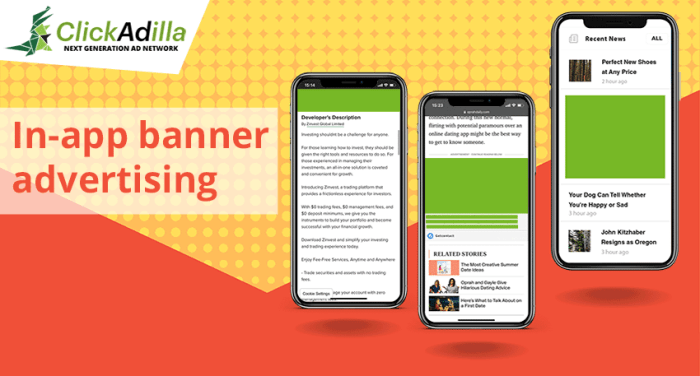
In the world of mobile advertising, the efficiency of your banner ads can significantly impact user engagement and conversion rates. To create compelling HTML5 banner ads that catch the attention of mobile users, it’s essential to understand the specific techniques that will enhance their effectiveness. This section will delve into optimizing banner ads, best practices for design, and strategies for A/B testing to drive performance.
Methods to Optimize Banner Ads for Mobile Engagement
Optimizing mobile banner ads requires understanding user behavior and preferences. Effective techniques include:
- Responsive Design: Ensure that banner ads adapt seamlessly to various screen sizes. Responsive elements adjust layout and content to provide a consistent user experience across devices.
- Fast Loading Times: Minimize load times by keeping file sizes small and using efficient coding. Users are likely to abandon slow-loading ads, impacting your engagement rates.
- Animation and Interactivity: Utilize subtle animations and interactive elements to capture attention. However, avoid overwhelming users with excessive movements that may detract from the core message.
- Clear Call-to-Action (CTA): Position a prominent and straightforward CTA that encourages users to take action, whether it’s signing up or making a purchase. Ensure it’s easy to tap on smaller screens.
Best Practices for Designing Mobile-Friendly HTML5 Banners
Creating mobile-friendly banner ads involves careful design considerations that take into account the unique characteristics of mobile users. Here are essential practices:
- Simplicity in Design: Keep the design clean and uncluttered. Use ample white space to allow the key message to stand out without distractions.
- Readable Fonts: Select fonts that are legible on small screens. Avoid overly stylized fonts and ensure text sizes are appropriate for mobile viewers.
- High-Quality Images: Use images that are visually appealing and relevant to the ad content. High-resolution images enhance the ad’s professional appearance.
- Consistent Branding: Maintain brand consistency in colors, logos, and overall style. This helps in building recognition and trust among users.
Strategies for A/B Testing HTML5 Banner Ads
A/B testing is a crucial strategy for optimizing banner ad performance. By comparing two variations of an ad, marketers can determine which elements resonate better with the target audience. Effective strategies include:
- Testing One Element at a Time: Focus on one variable at a time, such as CTA text, colors, or layouts. This helps in accurately identifying what influences user behavior.
- Utilizing a Significant Sample Size: Ensure a large enough audience for testing to gather meaningful data that can inform decisions.
- Analyzing Click-Through Rates (CTR): Measure the CTR for each variation. A higher CTR typically indicates more effective engagement and relevance.
- Implementing Changes Gradually: After identifying the better-performing ad, implement changes slowly to gauge ongoing performance improvements.
The Role of Internet Marketing in Banner Advertising
Banner advertising plays a crucial role in the broader landscape of internet marketing. It serves not just as a standalone tactic, but also as a versatile tool that can enhance various marketing strategies across multiple platforms. Effective banner ads can capture attention, promote brand awareness, and drive traffic, ultimately contributing to higher conversion rates.Understanding the integration of banner advertisements within other marketing channels is essential for maximizing their effectiveness.
One significant area where this integration can be seen is in email marketing campaigns. By strategically placing banner ads within emails, marketers can leverage their existing audience, making the ads more relevant and increasing the likelihood of engagement.
Integration of Banner Ads in Email Marketing Campaigns
Incorporating banner ads within email marketing is a powerful technique that allows brands to reach their customers directly and personally. Email campaigns that feature well-designed banners not only enhance visual appeal but also serve as effective calls-to-action. Here are key considerations for this integration:
- Consistency in Branding: Ensure that the design and messaging of banner ads align with your overall email branding. This creates a cohesive experience that resonates with the audience.
- Placement and Size: Position banner ads prominently within the email, ensuring they are easily noticeable without overwhelming the recipient. A recommended size is 600 pixels wide, which is optimal for most email layouts.
- Segmentation of Audience: Target specific audience segments with tailored banner ads that address their interests or needs. This personalization can significantly improve click-through rates.
- Testing and Optimization: Regularly test different banner designs and placements to identify which combinations yield the best results. A/B testing can help refine strategies based on real data.
- Clear Call-to-Action: Include a compelling call-to-action within the banner to guide recipients toward the desired action, such as visiting a website or making a purchase.
Effectiveness of Banner Advertising Across Different Platforms
When evaluating the effectiveness of banner advertising, it is important to consider the varying results across different internet platforms and blogs. Each platform has its own audience, and understanding these nuances can help tailor campaigns for better performance. For instance, banner ads on social media platforms like Facebook and Instagram tend to have higher engagement rates due to their visual nature and the interactive capabilities of these platforms.
In contrast, banner ads on news websites or blogs may generate more impressions but often result in lower engagement rates.
“Research shows that banner ads on social media can achieve click-through rates of up to 1.5%, whereas traditional web banners may only reach 0.1%.”
Additionally, banners that are placed within relevant content on blogs can lead to increased conversions, as they are viewed in context and cater to an audience already interested in the subject matter. This contextual relevance can enhance the overall effectiveness of the advertising strategy.Ultimately, the role of internet marketing in banner advertising is multi-faceted, with valuable opportunities for integration and optimization across various channels.
Understanding the dynamics of each platform and utilizing effective strategies will lead to more successful advertising campaigns.
Final Review
In conclusion, HTML5 banner ads for mobile stand out as a dynamic solution for advertisers looking to capture audience attention effectively. By understanding their features, embracing best practices, and continually optimizing performance, businesses can significantly enhance their mobile advertising efforts, driving better engagement and results in an increasingly digital marketplace.
Questions Often Asked
What are the key features of HTML5 banner ads?
HTML5 banner ads are responsive, interactive, and support rich media elements such as animations, videos, and audio, which enhance user engagement.
How do HTML5 banner ads compare to traditional ads?
HTML5 ads offer greater flexibility, interactivity, and compatibility across different devices, whereas traditional ads are often static and less engaging.
What are common challenges in creating HTML5 banner ads?
Challenges include ensuring compatibility across devices, managing file sizes for faster loading, and creating visually appealing designs that capture attention.
How can A/B testing improve the effectiveness of HTML5 banner ads?
A/B testing allows advertisers to compare different versions of ads to determine which elements perform better, leading to higher engagement and conversion rates.
Can HTML5 banner ads be integrated into email marketing campaigns?
Yes, HTML5 banner ads can be embedded in email campaigns to create engaging content that encourages user interaction and drives traffic to websites.


