
Responsive banner ad design is revolutionizing the way brands connect with their audience in the digital realm. With the ever-increasing use of various devices, ensuring that banner ads look and function seamlessly across all platforms is vital. This approach not only enhances user experience but also boosts engagement and click-through rates, making it an essential part of any marketing strategy.
By focusing on adaptability and aesthetic appeal, responsive banner ad design allows marketers to create compelling ads that capture attention, regardless of screen size. From understanding design principles to implementing best practices, this discussion will explore how to craft effective banner ads that resonate with viewers.
Responsive Banner Ad Design Principles
Responsive banner ad design is vital in today’s multi-device world. With users accessing content across a variety of screens, ensuring that ads remain effective and engaging is crucial. This design approach not only maximizes visibility but also enhances user experience, leading to higher engagement rates and better conversion.A fundamental principle of responsive banner ad design is adaptability. This involves creating ads that can seamlessly adjust to different screen sizes, orientations, and resolutions.
Responsive designs consider various factors, including the layout, image resolution, and text size, to maintain visual appeal and message clarity, regardless of the device.
Key Features of Responsive Design
To achieve effective responsive banner ads, certain key features must be considered. These elements ensure that the ads function optimally across various platforms.
- Fluid Grids: Utilizing a flexible grid layout allows elements to resize in proportion to the screen dimensions, ensuring a harmonious presentation.
- Flexible Images: Images should be set to a maximum width of 100% to avoid overflow while maintaining clarity and detail. This prevents distortion on different devices.
- Media Queries: CSS media queries enable the application of styles based on the device’s characteristics, providing a customized look and feel tailored to specific resolutions.
Testing banner designs across different screen sizes is essential to gauge their effectiveness. This prevents wasted advertising spend and ensures that the intended message reaches the audience as planned.
Methods for Testing Banner Designs
Implementing thorough testing methods is key to validating responsive designs. Using a combination of tools and techniques can help ensure optimal performance across devices.
- Browser Developer Tools: Most modern browsers offer built-in tools that simulate various screen sizes. This allows designers to preview how ads will render on multiple devices.
- Responsive Design Testing Tools: There are numerous online platforms dedicated to testing responsive designs. Tools like BrowserStack and Responsinator provide quick insights into how ads will look on different devices.
- User Testing: Gathering feedback from real users interacting with the ads on various devices can reveal usability issues that technical tests might miss, thereby enhancing overall design quality.
It’s crucial to remember that the ultimate goal of responsive banner ad design is to create a consistent and engaging user experience, regardless of the device. With the right principles and testing methods in place, ads can effectively communicate their message and achieve desired outcomes.
Best Practices for Banner Advertising
Creating engaging banner ads requires a thoughtful approach that balances creativity with strategic planning. Effective banner advertising can significantly enhance your brand visibility and drive conversions. Understanding how to design these ads can determine their success in a crowded digital space.The role of elements like color and typography cannot be overstated in banner design. These aspects not only convey your brand identity but also impact the viewer’s emotional response.
A well-crafted banner ad captures attention, communicates a message, and encourages action. Below are some best practices that can help you create standout banner ads.
Effective Strategies for Engaging Banner Ads
Incorporating specific strategies can enhance the effectiveness of your banner ads. Here are essential strategies to consider:
- Simplicity is Key: Keep the design clean and uncluttered. A straightforward message ensures that viewers grasp the concept quickly.
- Clear Call-to-Action (CTA): Include a compelling CTA that entices viewers to click. Phrases like “Shop Now” or “Learn More” create a sense of urgency.
- Targeted Messaging: Tailor your ads to specific audiences. Use language and visuals that resonate with your target demographic.
- Use High-Quality Images: Ensure images are eye-catching and relevant. A powerful visual can draw a viewer’s eye more effectively than text alone.
- A/B Testing: Regularly test different designs, messages, and placements to identify what works best. This iterative process can significantly improve performance over time.
The Role of Color and Typography in Banner Design
Color and typography are critical elements that influence how a banner ad is perceived. The right choices can evoke emotions and enhance brand recognition.Colors have psychological impacts; for instance, red can evoke urgency, while blue conveys trust. Here are some considerations for using color effectively:
- Brand Colors: Stick to your brand’s color palette to maintain consistency across all platforms.
- Contrast: Ensure there’s enough contrast between text and background colors, enhancing readability.
- Emotionally Charged Colors: Choose colors that align with the message of your ad. For example, green often symbolizes growth and health.
Typography also plays a vital role. The choice of fonts can affect the tone of your ad. Consider these typography tips:
- Legibility: Choose fonts that are easy to read, even at smaller sizes.
- Font Pairing: Use a maximum of two different fonts to prevent visual clutter.
- Consistent Hierarchy: Vary font sizes to create a clear visual hierarchy, guiding the viewer’s eye through the ad.
Examples of Successful Banner Advertising Campaigns
Several brands have effectively utilized banner ads, creating memorable campaigns that resonate with their audiences. Here are prominent examples:
- Airbnb: Their ads often feature stunning imagery of destinations along with simple, inviting messages that encourage exploration.
- Spotify: Known for eye-catching colors and bold typography, their banner ads effectively convey the essence of music discovery.
- Amazon: Their promotional banners highlight deals with a clear CTA, often using contrasting colors to attract attention and drive urgency.
The Role of Internet Marketing in Responsive Design
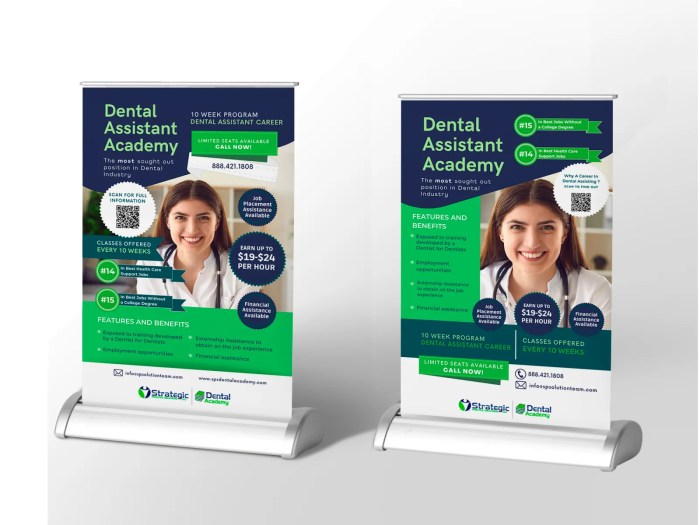
Responsive banner ads play a crucial role in enhancing internet marketing strategies by allowing brands to connect effectively with their target audience across various devices. These ads are designed to adapt to different screen sizes and resolutions, ensuring that the visual elements and messaging remain clear and engaging, regardless of the platform used by the consumer. This level of adaptability not only improves user experience but also maximizes the visibility of marketing campaigns.Responsive banner ads significantly boost the performance of internet marketing efforts by increasing click-through rates and conversions.
The flexibility of these ads enables marketers to reach potential customers wherever they are browsing, whether on a smartphone during a commute or on a desktop at home. This omnipresence is essential in a digital landscape where consumers are constantly connected and consuming content.
Integration of Banner Ads in Email Marketing Campaigns
Integrating responsive banner ads into email marketing campaigns offers a unique opportunity to enhance engagement and drive traffic. When included within emails, these ads can provide visually appealing content that captures the recipient’s attention, encouraging them to take action. The adaptability of responsive ads ensures that they display optimally on different devices, maintaining their visual appeal and functionality whether viewed on a mobile phone or a desktop.Including responsive banner ads in emails can lead to higher open and click-through rates.
A well-designed banner can entice readers to explore promotions, new products, or important announcements, thus driving traffic back to the website or landing page. When integrated effectively, email campaigns featuring responsive banner ads can amplify brand messaging and improve overall campaign performance.
Performance Metrics Comparison: Traditional vs. Responsive Banner Ads
Understanding the differences in performance metrics between traditional and responsive banner ads is essential for evaluating the effectiveness of marketing strategies. The following table Artikels key performance indicators and compares how traditional banner ads stack up against their responsive counterparts.
| Performance Metric | Traditional Banner Ads | Responsive Banner Ads |
|---|---|---|
| Click-Through Rate (CTR) | 1-2% | 3-5% |
| Conversion Rate | 0.5-1% | 1-3% |
| Viewability Rate | 50-60% | 70-80% |
| Cost Per Click (CPC) | $0.50 – $2.00 | $0.30 – $1.50 |
“Responsive banner ads can lead to an average increase of 30% in engagement rates compared to traditional banner ads, highlighting their effectiveness in modern digital marketing.”
Conclusion
In conclusion, responsive banner ad design is not just about creating visually appealing graphics; it’s about ensuring those graphics perform well across different devices to maximize marketing effectiveness. By mastering the principles of responsiveness and employing best practices, brands can significantly improve their advertising outcomes and foster a more engaging online presence.
Key Questions Answered
What is responsive banner ad design?
It refers to creating banner ads that automatically adjust in size and layout to fit different devices and screen sizes, ensuring optimal viewing experiences.
Why is responsive design important for banner ads?
Responsive design is crucial because it allows ads to reach users on any device, increasing engagement and improving overall campaign effectiveness.
How can I test my responsive banner ads?
You can test your banner ads using tools that simulate different screen sizes and devices, or by conducting real-world testing on various devices to see how the ads perform.
What are some common mistakes in banner ad design?
Common mistakes include using too much text, failing to optimize for different devices, and neglecting to include a clear call to action.
How do colors and typography influence banner ads?
Colors and typography affect visibility and readability, and can evoke specific emotions, making them critical elements in capturing audience attention.


